
In a world that constantly feels rushed and overwhelming, your night routine can become a sacred pause a soft space where everything slows down, and you gently return to yourself.
The way you spend your evenings has a powerful impact on your overall well-being, your sleep quality, and even how you feel the next day.
Research from the Sleep Foundation consistently shows that a predictable pre-sleep routine helps your brain recognise when it’s time to wind down, making it easier to fall asleep and stay asleep.
Creating a cozy night routine isn’t about perfection or strict schedules. It’s about building small, comforting habits that help you unwind, release stress, and embrace a slower, more peaceful lifestyle.
Whether you’ve had a busy workday or a quiet one at home, these cozy night routine ideas will help you create evenings that feel calm, nourishing, and truly yours.
Let’s step into a softer, more intentional way of ending your day.
🌿 Create a Calm Atmosphere
One of the easiest ways to transform your evenings is by changing your environment. A cozy atmosphere instantly tells your body and mind that it’s time to relax.
You don’t need to redecorate your entire home small, intentional shifts in lighting, scent, and sound can completely change the feel of a room.
1. Dim the Lights Early
As the evening begins, switch off bright overhead lights and replace them with warm, soft lighting. Table lamps, fairy lights, or even a small bedside lamp can create a gentle glow that feels calming and intimate.

Bright white lights suppress melatonin production, so swapping to warm-toned bulbs in the evening is one of the most effective and effortless things you can do to support better sleep.
This simple habit helps signal your brain that the day is coming to an end.
2. Light a Candle
There’s something incredibly comforting about a flickering candle. Choose soothing scents like lavender, vanilla, or sandalwood to create a peaceful ambiance.
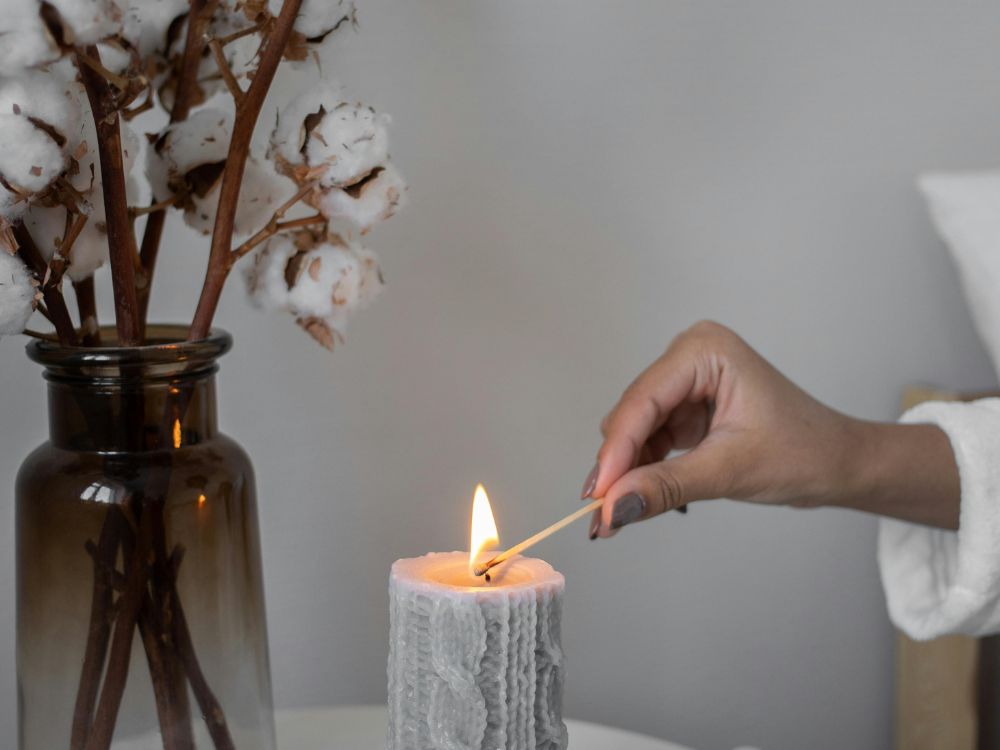
The ritual of lighting a candle the small act of striking a match and watching the flame catch can itself become a mindful moment that marks the transition from a busy day to a restful evening.
It adds warmth to your space and makes your routine feel more intentional and special.
3. Use Essential Oils
If you enjoy soft, natural scents, try using a diffuser with essential oils. Lavender, chamomile, or eucalyptus can help create a spa-like environment right in your bedroom.
Lavender in particular has been widely studied for its calming effects even a few drops in a diffuser can noticeably lower feelings of anxiety and help prepare your body for sleep.
Experiment with different blends to find what works best for you.
📖 Slow Down Your Mind
Even if your body feels tired, your mind might still be racing. After a full day of decisions, conversations, and tasks, your brain needs a gentle transition not an abrupt shutdown.
These habits help quiet your thoughts and bring a sense of calm.
4. Read a Few Pages
Instead of scrolling on your phone, pick up a book. Reading even a few pages can help your mind shift away from stress and into a more relaxed state.

Unlike the stimulating blue light of screens, the warm, passive activity of reading fiction or a light non-fiction book allows your mind to wander in a healthy direction.
Choose something comforting rather than a thriller or news-heavy content that might spike your cortisol right before bed.
5. Journal Your Thoughts
Take a few minutes to write down what’s on your mind. It doesn’t have to be polished or structured a simple brain dump can help release lingering thoughts and worries, clearing mental space and making it significantly easier to fall asleep.
Studies have found that writing a to-do list for tomorrow (rather than ruminating on today) can help people fall asleep faster, as it gives your brain permission to let go of unfinished mental loops.
6. Practice Gratitude
Before bed, write down or mentally note three things you’re grateful for. This small habit shifts your focus from stress to appreciation, helping you end the day on a positive note.
Over time, a consistent gratitude practice has been linked to improved mood, reduced anxiety, and even better sleep quality. Keep a small notebook on your nightstand so it’s easy to reach for each night.
7. Reflect on Your Day
Gently think about your day without judgment. What went well? What made you smile?

What felt hard, and what did you learn from it? This kind of soft reflection encourages self-awareness and emotional balance and it’s very different from replaying stressful moments on a loop.
Think of it as compassionately closing a chapter before the next one begins.
🛁 Relax Your Body
A peaceful life starts with a relaxed body. These cozy rituals help release physical tension and prepare you for deep, restorative sleep.
8. Take a Warm Shower or Bath
Warm water has a naturally calming effect on the nervous system. When you step out of a warm shower or bath, your body temperature drops slightly, which signals to your brain that it’s time to sleep this is the same natural mechanism that makes you feel sleepy in a cool room.

Let your shower or bath become a moment of self-care rather than a rushed task. Adding essential oils, Epsom salts, or a bath bomb can make the experience even more indulgent.
9. Do a Gentle Skincare Routine
Turn your skincare routine into a mindful ritual. Instead of rushing through it, slow down and enjoy each step cleanse, moisturise, and care for your skin with presence rather than haste.
The repetitive, gentle motions of applying products can be incredibly grounding, almost meditative. It’s also a quiet reminder that you’re worth taking care of.
10. Stretch or Do Light Yoga
A few gentle stretches can release the physical tension that accumulates throughout the day, particularly in your neck, shoulders, and lower back. Focus on slow, intentional movements paired with deep breathing.
Even five minutes of gentle yoga child’s pose, a spinal twist, legs up the wall can make a noticeable difference in how relaxed you feel by the time you get into bed.
11. Practice Deep Breathing
Take a few minutes to breathe slowly and deeply. Try the 4-7-8 method: inhale through your nose for 4 counts, hold for 7, exhale slowly through your mouth for 8.

This activates your parasympathetic nervous system the “rest and digest” mode and gently lowers your heart rate and blood pressure. Even three to five rounds can bring a noticeable sense of calm.
🍵 Add Cozy Comforts
Sometimes, it’s the smallest rituals that make your night feel truly special. These simple pleasures signal comfort to your senses and help anchor your routine.
12. Sip Herbal Tea
A warm cup of chamomile, peppermint, lemon balm, or any caffeine-free herbal tea is one of the most classic cozy night rituals for good reason.
The warmth alone is soothing, and many herbal blends have gentle calming properties. Make it a ceremony choose a favourite mug, add a little honey, and sip slowly without rushing.
13. Enjoy a Cozy Drink
If tea isn’t your thing, try warm oat milk, a mug of hot chocolate, or a golden turmeric latte. Holding a warm cup in your hands can feel deeply relaxing, almost like a physical hug.
Just make sure to avoid caffeine and excessive sugar at least two hours before bed.
14. Wear Comfortable Sleepwear
Soft, breathable pajamas can make a surprising difference to how you feel in the evenings.
Natural fabrics like cotton or bamboo are gentle on skin and help regulate body temperature through the night. When you feel physically comfortable, it becomes much easier to relax mentally as well.
Think of changing into your sleepwear as part of the ritual a physical signal that the day is truly done.
🛏️ Create a Sleep-Friendly Space
Your bedroom should feel like a safe, cozy retreat a place where your nervous system can genuinely let go.
15. Make Your Bed Extra Cozy
Fluffy pillows, soft blankets, and clean sheets create an inviting space you’ll actually look forward to each night.

Consider layering textures a crisp duvet cover, a chunky knit throw, a soft pillow so your bed feels like a nest. These small details can completely transform how restful bedtime feels.
16. Create a Cozy Corner
Designate a small area in your room a chair with cushions, a floor lamp, and a soft throw blanket where you can sit and unwind before getting into bed.
Having a dedicated space for your pre-sleep rituals (reading, journaling, tea) reinforces the habit and keeps your bed associated with sleep, not scrolling.
17. Keep Your Space Tidy
A cluttered environment creates a subtly cluttered mind. Spend five minutes tidying your room before bed put away clothes, clear your nightstand, straighten your pillows.
You’ll wake up to a calmer space, which means your morning starts on a gentler note too.
🌙 Disconnect & Unwind
In today’s digital world, learning to consciously disconnect is one of the most powerful gifts you can give yourself.
18. Create a “No Phone” Zone
Try putting your phone away at least 30 to 60 minutes before bed. The blue light from screens interferes with melatonin production, and the mental stimulation of social media, emails, and news keeps your brain in alert mode.
Place your phone to charge in another room or across the room out of arm’s reach is often enough to break the habit of checking it.
19. Watch Something Light & Comforting
If you enjoy watching something before bed, choose calm, feel-good content a gentle cooking show, a nature documentary, a comfort series you’ve seen before.
Avoid high-intensity dramas, true crime, or distressing news content that activates your fight-or-flight response right before sleep.
20. Listen to Soft Music or Sounds
Lo-fi beats, gentle piano music, or nature sounds like rain or ocean waves can create a deeply peaceful atmosphere.

Music with a tempo of around 60 beats per minute has been shown to slow the heart rate and encourage relaxation. Put together a dedicated evening playlist and let it become part of your wind-down ritual.
21. Listen to a Calm Podcast
Choose soothing, slow-paced podcasts guided meditations, sleep stories, mindfulness episodes, or gentle conversation. There are many podcasts specifically designed to help you drift off.
These are especially helpful on nights when your mind feels particularly restless and quiet is harder to find.
✨ Prepare for Tomorrow Gently
A peaceful life often comes from feeling prepared rather than perpetually behind.
22. Plan Tomorrow
Write down a simple to-do list for the next day three to five tasks is enough.
This clears your mind and prevents the 2am mental spiral of “did I forget something?” When your brain trusts that tomorrow is handled, it’s much easier to let go of today.
23. Set Out What You Need
Lay out your clothes, pack your bag, and prepare anything you’ll need in the morning.
This small act of evening care for your future self means your mornings feel smooth and spacious rather than chaotic and rushed. It’s a quiet act of self-love.
💖 Nurture Your Inner Peace
True coziness isn’t just about candles and warm drinks it comes from within.
24. Practice Self-Compassion
Before you sleep, take a moment to remind yourself: you did your best today. Let go of any guilt or pressure about what didn’t get done.
You deserve rest not as a reward for productivity, but simply because you are a human being who needs it. This kind of gentle self-talk, practiced consistently, builds emotional resilience over time.
25. Go to Bed at a Consistent Time
Perhaps the most underrated night routine habit of all: going to bed at the same time every night.
Consistency is the foundation of good sleep. Your circadian rhythm your internal body clock thrives on regularity.
Even on weekends, keeping your sleep and wake times within an hour of your usual schedule makes a significant difference to how rested and energised you feel.
🌸 Final Thoughts
A cozy night routine isn’t about doing all 25 of these habits every single night. It’s about choosing a few that genuinely resonate with you, and slowly building a routine that feels natural, comforting, and sustainable.
Think of your evenings as a gentle ritual a way to close the day with intention, gratitude, and softness. When you create space for calm at night, you’re not just improving your sleep. You’re building a more peaceful, balanced relationship with yourself.
Start small. Maybe tonight you light a candle, sip some chamomile tea, and write down one thing that went well today. That’s enough.
Over time, these little moments will become something you truly look forward to a quiet kind of happiness that makes life feel just a little more magical. 🌙✨
❓ FAQs About Night Routines
How long should a night routine be?
Even 20–30 minutes is a great starting point. The most important thing isn’t the length of your routine it’s the consistency.
A short, calming routine done nightly will be far more effective than a lengthy one you only manage occasionally. As you build the habit, you can add more elements if you’d like.
What is the best time to start a night routine?
Ideally, begin winding down 1–2 hours before your intended bedtime. If you want to be asleep by 10pm, start transitioning into your routine around 8–8:30pm.
This gives your mind and body enough time to genuinely shift gears.
Do night routines really help with sleep?
Yes and the research backs this up. A consistent pre-sleep routine signals to your brain that it’s time to rest, helping your body begin releasing melatonin earlier.
Over time, the routine itself becomes a sleep cue, making it easier and faster to fall asleep each night.
What if I don’t have energy for a full routine?
On low-energy nights, simplify it to your two or three non-negotiables. Maybe it’s just washing your face, putting your phone away, and writing one thing you’re grateful for.
Even a three-minute routine counts. The goal is to have something that helps you consciously transition to rest.
Can I combine a morning routine with a night routine?
Absolutely. In fact, a good night routine often sets the foundation for a calm morning. When you prepare for tomorrow, go to bed at a consistent time, and wake up rested, your morning naturally feels smoother.
Many people find that building both routines together creates a beautifully bookended day.

I’m Pamila, the voice behind LittleAuraLiving.I write about slow living, emotional wellness, and small habits that make everyday life feel a little lighter.