
In a world that often feels loud, rushed, and overwhelming, soft living is a gentle reminder that life doesn’t have to be lived in constant hustle. It’s about slowing down, choosing peace over pressure, and creating a life that feels calm, intentional, and deeply comforting.
Soft living isn’t about being perfect or having everything figured out. It’s about small, mindful habits that help you feel safe, grounded, and at ease in your everyday life.
It’s choosing kindness especially toward yourself and embracing a slower, more meaningful way of moving through the world.
If you’ve been craving a softer, more peaceful lifestyle, these 25 habits will help you create a life that feels like a warm hug from the inside out.
🌿 Slow Down Your Everyday Pace
One of the core elements of soft living is learning to move through life more gently. When you stop treating speed as a virtue, everything around you begins to feel more spacious and manageable.
1. Stop Rushing Everything
Not everything needs to be done quickly most things actually go better when you give them a little more time and care. Give yourself permission to slow down without guilt, and notice how much more present and capable you feel.
Rushing creates a constant low-level stress that builds up quietly throughout the day. Choosing a slower pace, even in small moments, trains your nervous system to relax rather than stay on high alert.
2. Create Space Between Tasks
Instead of jumping immediately from one task to the next, take a minute or two of stillness in between. Use that pause to breathe, stretch, or simply look out a window before moving on.
These tiny transitions prevent mental fatigue from accumulating throughout the day. They also help you bring full attention to each new task rather than carrying the stress of the last one forward.
3. Wake Up a Little Earlier
Give yourself an extra 20 to 30 minutes in the morning so you don’t have to rush through your first hour of the day. That buffer of time before demands and deadlines begin is one of the most valuable gifts you can give yourself.

A calm morning sets a peaceful tone that genuinely carries through your whole day. Even waking up ten minutes earlier than usual can transform a chaotic start into a gentle one.
4. Do One Thing at a Time
Multitasking creates a scattered, anxious energy that works against the soft living mindset. When you focus on one thing fully and mindfully, you do it better, enjoy it more, and feel calmer in the process.
Single-tasking is a form of presence and presence is at the heart of everything soft living stands for. Try it with something simple today, like eating lunch without your phone or folding laundry without TV in the background.
🌸 Nurture a Calm Mind
A peaceful life begins with a calm and gentle inner world. The way you think, speak to yourself, and process the day has a profound effect on how soft or stressful life feels.
5. Practice Gratitude Daily
Take a moment each day to genuinely appreciate the small things sunlight through a window, a warm drink, a quiet moment, or a kind word. Gratitude doesn’t require grand circumstances; it thrives in the ordinary.
Consistent gratitude practice has been shown to rewire the brain toward noticing more positive experiences over time. Even a few sincere lines in a journal each evening can meaningfully shift your baseline mood.
6. Limit Negative Input
Be mindful of what you consume news, social media, draining conversations, and content that leaves you feeling anxious or inadequate. Your mental space is precious, and you have every right to protect it.
This doesn’t mean ignoring reality; it means being intentional about how much negativity you absorb and when. Try a one-hour news limit or a social media break on weekends and notice how much lighter you feel.
7. Speak Kindly to Yourself
Pay close attention to your inner dialogue the way you narrate your mistakes, your appearance, your worth.
Replace harsh, critical thoughts with something gentler and truer, the way you would speak to someone you genuinely care about.
Self-compassion isn’t weakness; it’s the foundation of emotional resilience. The kinder you are to yourself in quiet, private moments, the more steadily you can show up for the rest of your life.
8. Let Go of Perfection
Soft living is fundamentally incompatible with perfectionism the two cannot coexist peacefully. Allow yourself to be beautifully imperfect, to do things “good enough,” and to find genuine satisfaction in effort over outcome.
Perfectionism often masquerades as high standards, but it usually just creates chronic stress and delayed joy. Give yourself permission to begin things imperfectly, continue imperfectly, and feel proud anyway.
🕯️ Create a Cozy Environment
Your surroundings have a powerful and direct effect on how you feel from moment to moment. A home that feels calm and comforting quietly supports your soft living intentions all day long.
9. Keep Your Space Clean and Simple
A tidy, uncluttered space creates an immediate sense of mental calm visual clutter competes for your attention and quietly raises your stress levels. You don’t need a minimalist home, just a space that feels organised and breathing.
Spend five minutes each evening doing a quick tidy-up so you wake up to a calmer environment. Small acts of domestic care are themselves a form of self-respect.
10. Add Soft Lighting
Swap harsh overhead lights for warm lamps, string lights, or candles in the evening hours. Soft lighting changes the entire atmosphere of a room, making it feel safe, cozy, and conducive to relaxation.
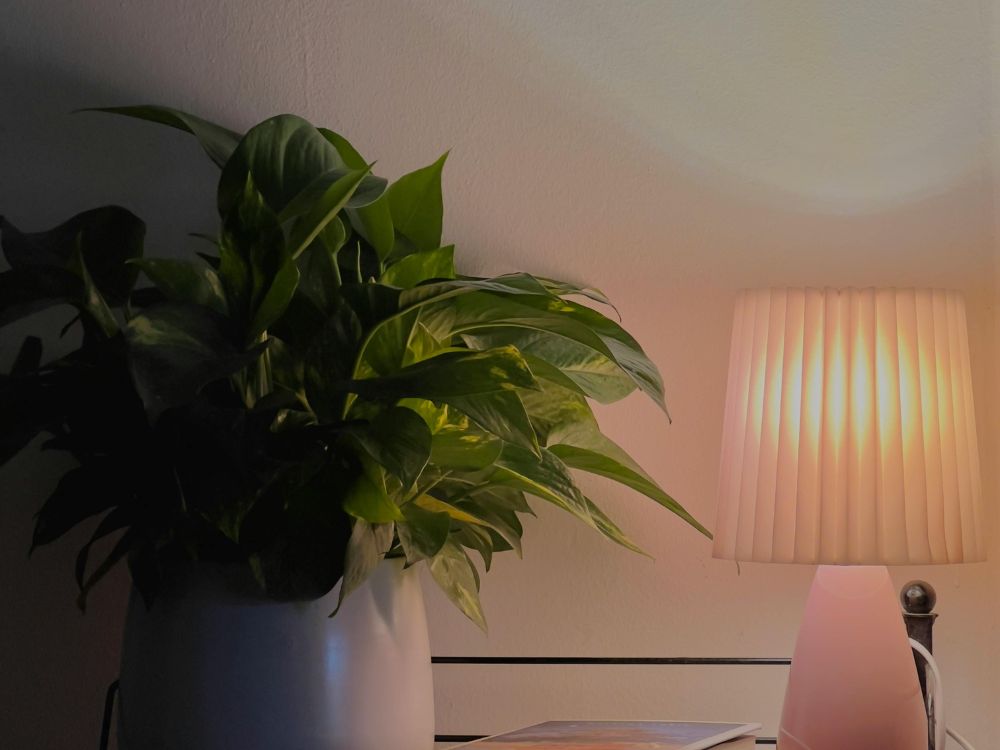
Warm light also supports your body’s natural melatonin production, gently signalling that it’s time to wind down. It’s one of the simplest and most affordable ways to transform how your home feels at night.
11. Surround Yourself with Things You Love
Decorate your space with objects that genuinely bring you comfort and joy books, plants, photographs, soft textures, meaningful trinkets. Your home should feel like a reflection of what you find beautiful and calming, not a showroom.
When your environment feels personal and intentional, it becomes a place you genuinely want to be. That sense of belonging in your own home is deeply nourishing.
12. Create a Relaxing Corner
Designate one small area a chair, a floor cushion, a window seat as your personal sanctuary for unwinding. Add a soft blanket, a small lamp, and perhaps a candle or plant to make it feel set apart from the rest of the day.
Having a dedicated physical space for rest trains your brain to associate that spot with calm and permission to slow down.
Even five minutes there can feel genuinely restorative.
🍵 Build Gentle Daily Rituals
Soft living is made up of small, comforting habits that you return to every day not because you have to, but because they genuinely make life feel better. Rituals create rhythm, and rhythm creates a sense of safety.
13. Enjoy a Warm Drink Slowly
Turn your morning tea or coffee into a mindful ritual rather than something you gulp down while rushing. Sit with it, hold the mug in both hands, notice the warmth, and give yourself full permission to enjoy it without doing anything else.
This single habit drinking your favourite warm drink slowly and consciously is one of the easiest entry points into soft living. It requires nothing extra, just your attention.
14. Journal Your Thoughts
Let your thoughts flow freely onto paper without structure, editing, or judgment. Journaling helps your mind process emotions it’s been quietly carrying, and the act of writing creates a gentle distance between you and your worries.
Even three to five minutes of honest writing each day can bring surprising clarity and emotional relief. Keep a notebook somewhere visible so the habit is easy to return to.
15. Take Breaks Without Guilt
Rest is not a reward you earn after enough productivity it is a basic human need, as essential as food and water. Give yourself scheduled, guilt-free breaks throughout the day, and protect them the same way you protect your commitments to others.
When you rest before you’re depleted, you think more clearly, feel more generous, and navigate difficulty with far more grace. Rest is the foundation, not the finish line.
16. Spend Time in Nature
Even a short walk, ten minutes in a garden, or sitting near an open window can feel grounding and quietly restorative.
Nature has a unique ability to regulate the nervous system in ways that indoor environments simply cannot replicate.
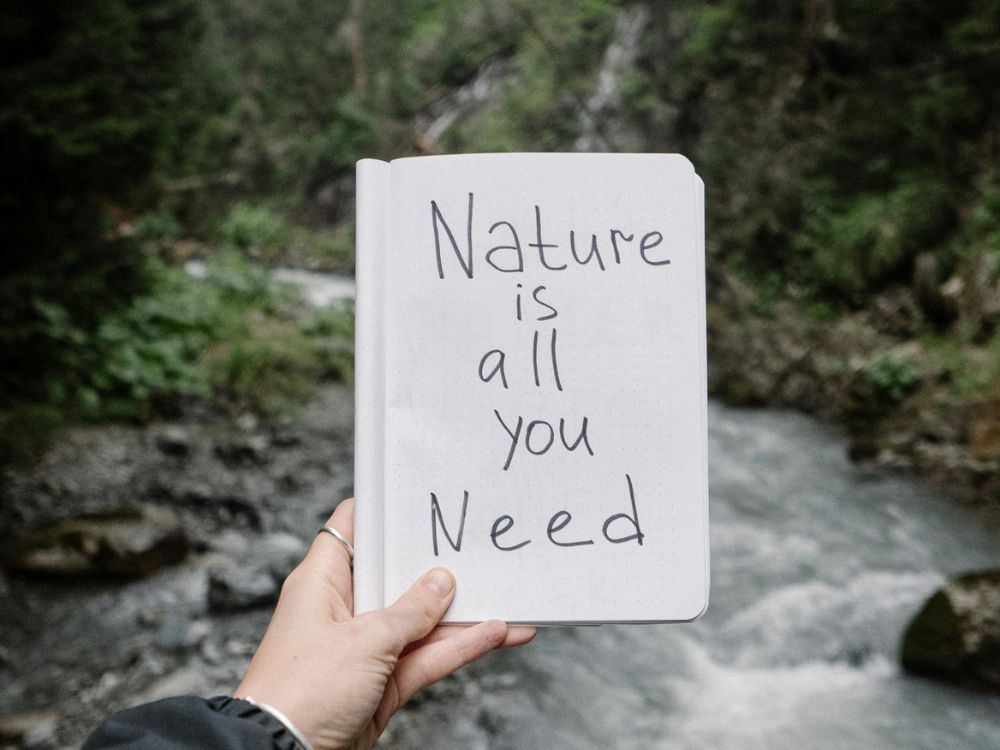
You don’t need dramatic landscapes or long hikes a tree-lined street, a local park, or a patch of grass will do. Make it a gentle daily habit rather than an occasional event.
🛁 Care for Your Body with Love
Your body deserves gentle care and consistent attention not as a project to be improved, but as a home to be cherished. How you physically care for yourself has a direct and powerful impact on how safe and calm you feel from the inside.
17. Stretch or Move Gently
Light movement stretching, gentle yoga, a slow walk helps release the physical tension your body stores throughout the day. It doesn’t need to be intense or structured; even five minutes of intuitive movement can shift your energy significantly.
Moving your body mindfully also brings you back into physical awareness after hours of being lost in thought or screens. It’s a gentle way of coming home to yourself.
18. Prioritise Restful Sleep
Create a calming night routine and aim for a consistent sleep and wake time every day, including weekends. Sleep is when your body repairs, your emotions regulate, and your brain processes the day it is the most fundamental act of self-care available to you.
When you protect your sleep, everything else in your life improves: your mood, your patience, your focus, and your resilience. Treat it as the non-negotiable foundation that it truly is.
19. Eat Mindfully
Take time to actually sit down and enjoy your meals without scrolling, watching TV, or working.
Mindful eating improves digestion, increases satisfaction, and transforms something you do multiple times a day into a genuine act of nourishment rather than just fuelling.
Notice the colours, textures, and flavours of what you’re eating. These small moments of sensory presence accumulate into a much more grounded relationship with your body and your food.
20. Listen to Your Body
When you’re tired, rest even when your to-do list says otherwise. When something feels physically off, pay attention instead of pushing through until it becomes urgent.
Your body communicates with you constantly through energy levels, appetite, tension, and mood. Soft living means learning to hear those signals and respond with care rather than override them with willpower.
🌙 Protect Your Energy
A peaceful lifestyle often comes from knowing what to let in and what to gently keep out. Your energy is finite and precious soft living asks you to become a thoughtful steward of it.
21. Set Gentle Boundaries
It’s okay to say no to things, people, and commitments that consistently drain your energy or compromise your peace. Boundaries aren’t walls they’re honest expressions of what you can sustainably give and receive.
The more clearly and kindly you communicate your limits, the more genuine and nourishing your relationships become. Saying no to one thing always creates space to say a fuller yes to something else.
22. Spend Time Alone
Intentional solitude time alone without distraction or agenda is one of the most underrated soft living practices. It allows you to check in with yourself, process your emotions, and reconnect with what you actually think and feel beneath the noise of other people’s needs.
Even one hour of genuine alone time each week can feel deeply restorative, especially for those who give a lot of themselves to others. Guard it as you would any other important appointment.
23. Choose Calm Over Chaos
Whenever you face a choice between the calmer and the more chaotic option, consciously lean toward calm a quieter route, a slower queue, a less stimulating evening. Over time, these small choices compound into a fundamentally different quality of daily life.
This isn’t avoidance; it’s discernment. Soft living is largely built on the accumulation of moments where you chose ease when difficulty wasn’t necessary.
✨ Embrace Soft Joy
Soft living isn’t only about calm and rest it’s also about the quiet, uncomplicated happiness that comes from noticing and savouring the good that already exists. Joy doesn’t have to be loud to be real.
24. Romanticise Simple Moments
Notice and savour the small beauties of ordinary life the way sunlight falls across your floor in the afternoon, the smell of rain, the comfort of your favourite blanket, the first sip of a warm drink. These moments are always available; they just require your attention.
When you learn to find genuine pleasure in the ordinary, you stop waiting for life to become extraordinary before you allow yourself to feel good. That shift is profoundly freeing.
25. Do Things That Feel Good Without Justification
Make time for activities that bring you joy simply because they do not because they’re productive, improving, or impressive. Read a novel, take a long bath, rearrange your bookshelf, bake something just for the pleasure of it.
Soft living gives you permission to enjoy your life without needing to earn it first. That enjoyment, small and consistent, is what makes a peaceful lifestyle feel genuinely rich.
🌿 Final Thoughts
Soft living is a lifestyle that invites you to slow down, breathe deeply, and move through life with more intention and self-compassion. It’s not a trend or an aesthetic it’s a quiet, ongoing choice to prioritise your peace.
You don’t need to change everything overnight. Start with one or two habits that feel most natural and let them become a gentle, familiar part of your rhythm.
Over time, these small, consistent shifts will accumulate into something truly meaningful a life that feels softer, calmer, and more wholly yours. You deserve a life that feels peaceful, and it begins right now, with the way you choose to treat yourself today. 🌸✨
❓ FAQs About Soft Living
What does “soft living” actually mean?
Soft living is a lifestyle philosophy centred around slowing down, simplifying, and intentionally choosing peace over pressure in everyday life.
It’s about creating gentle daily habits, a comforting environment, and a kinder relationship with yourself rather than constantly striving, rushing, and pushing through.
It’s not about luxury or doing less overall; it’s about doing things with more presence, care, and ease.
Soft living looks different for everyone, but the common thread is a conscious move away from hustle culture and toward a more nourishing way of being.
Is soft living the same as slow living?
Soft living and slow living are closely related and often overlap, but they have slightly different emphases. Slow living focuses primarily on pace doing things more slowly and intentionally.
Soft living extends that to include emotional gentleness, self-compassion, creating cozy environments, and actively protecting your peace and energy.
Think of slow living as the pace and soft living as the overall tone both are valuable, and practising one often naturally leads to the other.
Can I practise soft living with a busy schedule?
Absolutely soft living isn’t about having endless free time. It’s about the quality of presence and intention you bring to whatever time you do have. Even five mindful minutes, one guilt-free break, or a single slow cup of tea in an otherwise hectic day counts as soft living.
The goal isn’t to add more to your schedule but to bring a softer energy to what’s already there. Small, consistent choices add up to a genuinely different quality of life over time.
How do I start soft living if I’m used to hustle culture?
Start very small and be patient with yourself shifting away from hustle culture is a meaningful change that takes time. Choose one habit from this list that feels the least intimidating and practise just that for one week before adding anything else.
Also, expect some discomfort. If you’ve been conditioned to equate busyness with worth, slowing down can initially feel unsettling or even guilty. That feeling passes as your nervous system learns that it’s genuinely safe to rest.
Does soft living mean being unproductive or lazy?
Not at all in fact, the opposite is often true. When you consistently rest, move gently, protect your energy, and tend to your mental well-being, you typically become more focused, creative, and sustainably productive than when you’re running on depletion.
Soft living is about working and living smarter doing what matters with full presence rather than doing everything at half-capacity. Rest and ease are inputs, not rewards; they fuel the work, not replace it.
What is the difference between self-care and soft living?
Self-care refers to specific practices that restore and maintain your well-being a bath, a journal session, a good night’s sleep. Soft living is the broader lifestyle philosophy that those self-care habits sit within.
If self-care is the individual habits, soft living is the entire way of approaching life the pace, the values, the environment, the inner dialogue, and the daily choices that together create a consistently peaceful existence.

I’m Pamila, the voice behind LittleAuraLiving.I write about slow living, emotional wellness, and small habits that make everyday life feel a little lighter.