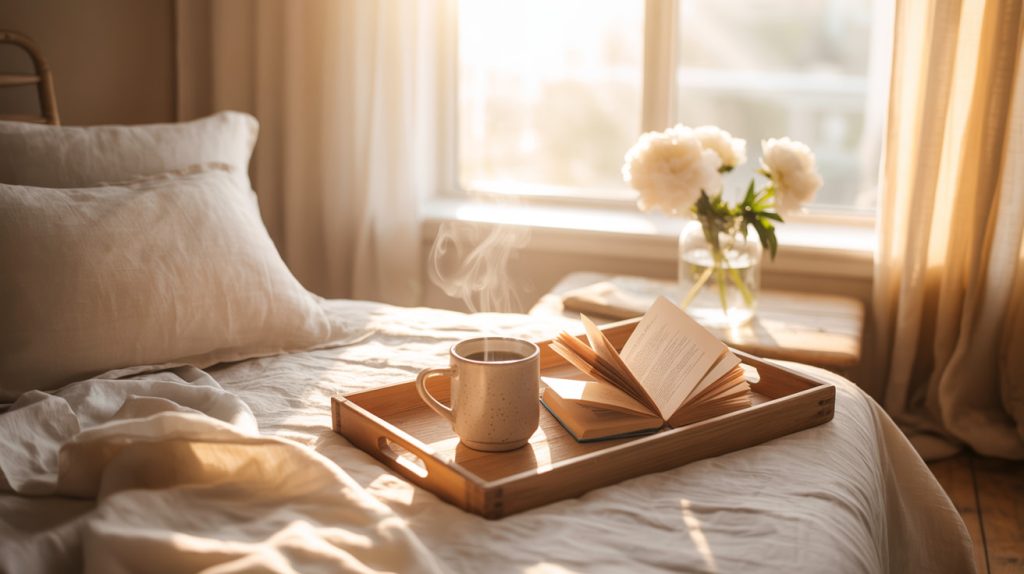
In the middle of busy schedules, endless to-do lists, and constant notifications, it’s easy to forget one very important thing you.
Self-care isn’t about expensive spa days or perfectly curated routines. It’s about the small, intentional moments that help you slow down, breathe, and reconnect with yourself.
When practiced gently and consistently, these simple rituals can help you feel calmer, more balanced, and deeply recharged. If you’ve been feeling overwhelmed or just a little disconnected, these self-care rituals will help you bring softness and peace back into your everyday life.
🌿 Create Moments of Stillness
Sometimes, the most powerful form of self-care is simply pausing. In a world that glorifies busyness, choosing stillness is a quiet act of courage.
1. Sit in Silence for a Few Minutes
Start or end your day by sitting quietly no phone, no background noise, no distractions. Let your mind settle naturally without forcing anything, and notice how even two minutes of stillness can shift your entire energy.
Silence gives your nervous system a chance to reset after hours of constant stimulation. Over time, you’ll find yourself craving these quiet moments because of how grounded they make you feel.
2. Take Deep, Intentional Breaths
Pause wherever you are and take five slow, deep breaths in through your nose, out through your mouth. This simple act activates your parasympathetic nervous system, which is your body’s built-in calming mechanism.
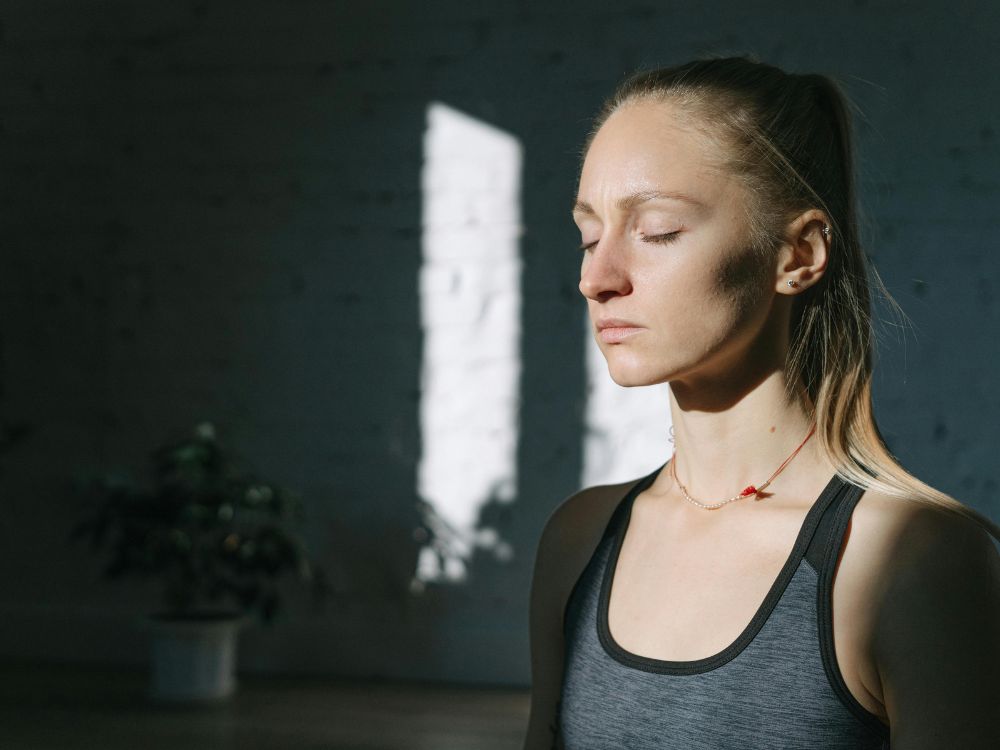
You don’t need a meditation app or a quiet room to do this. Even one mindful breath in the middle of a stressful moment can bring you back to yourself.
3. Step Outside for Fresh Air
Even a few minutes outdoors can help clear your mind and reset your mood. Feel the air on your skin, notice the sky, and allow yourself to just be present without any agenda.
Natural environments have been shown to lower cortisol levels and reduce feelings of anxiety. A short walk around the block or simply standing in your garden counts entirely.
4. Watch the Sunrise or Sunset
There’s something deeply grounding about watching the sky change colours in those quiet in-between moments of the day. It naturally slows your breathing and pulls your attention away from screens and stress.
You don’t need a perfect view even watching from a window works beautifully. Let it be a reminder that the world keeps moving in its own gentle rhythm, and so can you.
🕯️ Build Cozy, Comforting Rituals
Self-care becomes more meaningful when it feels warm and comforting to your senses. These small rituals create a sanctuary feeling wherever you are.
5. Light a Candle
Soft, flickering candlelight creates a calming atmosphere that instantly makes your space feel more peaceful and intentional. Choose a scent you love lavender for calm, vanilla for warmth, or citrus for a gentle energy lift.
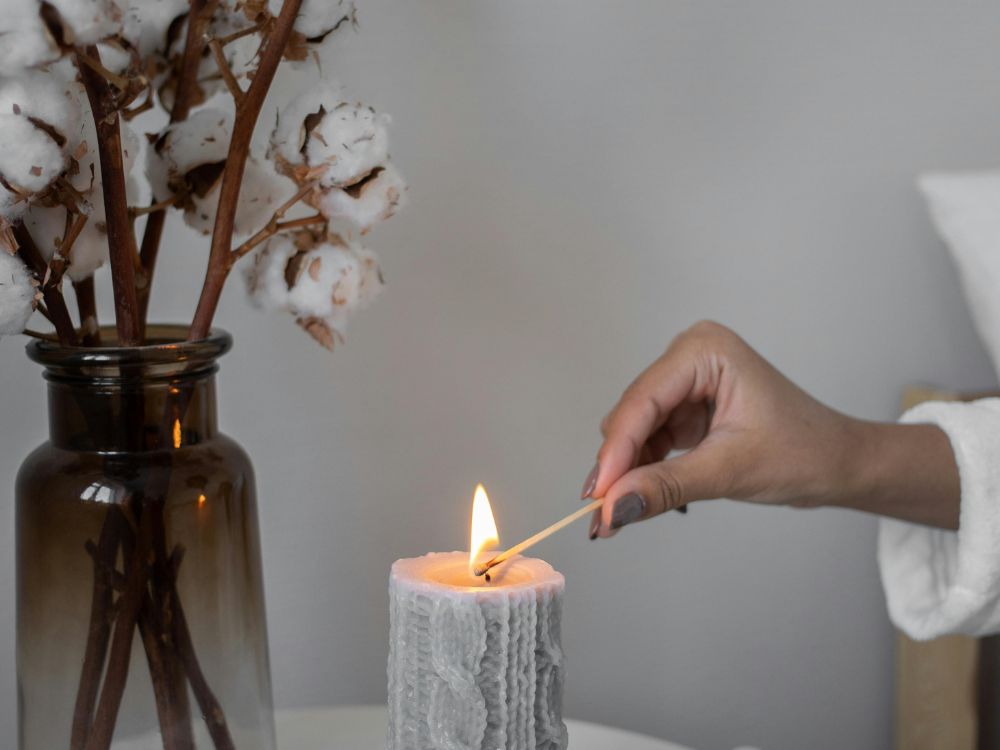
The ritual of lighting a candle itself is meaningful it marks a moment as special and worthy of your attention. It tells your brain: this time is for me.
6. Make a Warm Drink
Prepare a cup of herbal tea, coffee, or hot chocolate and sip it slowly without any distractions. Let the warmth of the mug in your hands be a sensory anchor that brings you fully into the present moment.
Chamomile and lemon balm teas are particularly soothing for the nervous system. Whatever your preference, make the preparation part of the ritual not just the drinking.
7. Wrap Yourself in a Soft Blanket
Sometimes self-care is physical comfort, and there’s nothing quite like the feeling of wrapping yourself in a warm, soft blanket. It creates an immediate sense of safety and ease that your body recognises on an instinctive level.
Keep a dedicated throw blanket in your living space one that’s just for these slow, intentional moments. The tactile comfort alone can lower tension and help you feel more at home in your own body.
8. Create a Cozy Corner
Designate a small area in your home a chair by a window, a floor cushion in a corner as your personal sanctuary for unwinding. Add soft lighting, a few cushions, and perhaps a small plant or a candle to make it feel intentional and calming.
Having a physical space dedicated to rest signals to your brain that it’s safe to slow down. You don’t need a large home or a separate room even a corner of your bedroom can become your favourite place.
🛁 Care for Your Body Gently
Taking care of your body is one of the purest and most grounding forms of self-love. When you tend to your physical self with patience and presence, it ripples into your emotional well-being too.
9. Take a Warm Shower or Bath
Let warm water relax your muscles and wash away the tension of the day treat it as a ritual rather than a quick necessity.
Adding Epsom salts, a few drops of essential oil, or a bath bomb can transform a simple shower into a deeply restorative experience.
The warmth of the water also causes a slight drop in body temperature afterward, which naturally triggers sleepiness and relaxation. Making this a regular evening habit can significantly improve both your mood and your sleep quality.
10. Do a Simple Skincare Routine
Turn your skincare into a mindful ritual by slowing down and bringing full attention to each step. The repetitive, gentle motions of cleansing and moisturising can feel almost meditative when you’re not rushing.
It’s also a quiet moment of telling your body: you matter, and you’re worth taking care of. Even a two-step routine done with intention holds more self-care value than an elaborate one done on autopilot.
11. Stretch Your Body
Spend five to ten minutes doing gentle stretches that release the tension stored in your neck, shoulders, hips, and lower back. Your body holds stress physically, and stretching is one of the most direct ways to release it.
You don’t need a structured routine simply moving intuitively, following wherever your body feels tight, is enough. Pay attention to your breath as you stretch, and let each exhale carry a little more tension away.
12. Rest Without Guilt
Give yourself full, unconditional permission to rest not as a reward for productivity, but simply because rest is a human need.
Lying down, doing nothing, or taking a nap is not laziness; it’s essential maintenance for your mind and body.
Society often frames rest as something to be earned, but chronic rest deprivation leads to burnout, irritability, and poor decision-making. Choosing rest is one of the most responsible things you can do for yourself and everyone around you.
📖 Nourish Your Mind
A calm mind is just as important as a relaxed body and it requires just as much intentional care. These habits help protect your mental space and fill it with something gentle and good.
13. Read Something Light and Comforting
Pick up a book that feels like a warm hug whether that’s cozy fiction, a gentle memoir, or an uplifting non-fiction read.
Even five to ten pages before bed or over your morning tea can shift your mindset away from stress and into something more expansive.

Unlike scrolling, reading engages your imagination in a calm, focused way. It creates a healthy mental escape without the over-stimulation that comes from screens.
14. Journal Your Thoughts
Write freely in a journal no structure, no editing, no judgment. Let whatever is on your mind spill onto the page, whether it’s worries, gratitude, random observations, or emotions you haven’t fully processed yet.
Journaling helps your brain organise and release what it’s been quietly carrying all day. Even five minutes of honest writing can bring a noticeable sense of lightness and emotional clarity.
15. Practice Gratitude
Write down two or three things you’re genuinely thankful for big or small, ordinary or extraordinary.
This simple habit trains your brain to notice the good that already exists in your life, which research consistently links to reduced anxiety and improved mood.
You don’t need a special gratitude journal; any notebook will do. The key is consistency a few sincere lines each day carries more power than a long, infrequent list.
16. Limit Social Media Time
Take intentional breaks from scrolling even a single hour away from social media can noticeably lower feelings of comparison, overwhelm, and mental fatigue.
Replace that time with something that actually replenishes you rather than drains you.

Consider setting a gentle daily limit on your most-used apps, or creating a “no phone” window in the morning or evening. Protecting your attention is one of the most meaningful forms of self-care available to you right now.
🌸 Add Gentle Joy to Your Day
Self-care isn’t only about rest and recovery it’s also about doing things that make you feel alive, creative, and genuinely happy. Don’t forget to make room for joy.
17. Do a Creative Hobby
Draw, paint, knit, bake, write poetry, arrange flowers choose something that engages your hands and your imagination without any pressure to produce something perfect.
Creativity for its own sake is deeply therapeutic and one of the most underrated forms of self-care.
When you create without judgment, you access a part of yourself that is playful, free, and unattached to outcomes. That feeling is restorative in a way that passive activities simply can’t replicate.
18. Listen to Soft, Soothing Music
Build a playlist of music that genuinely calms and uplifts you gentle acoustic songs, lo-fi beats, classical piano, or nature soundscapes. Music has a direct and measurable effect on mood, heart rate, and stress hormone levels.
Let it play softly in the background while you do chores, cook dinner, or simply sit. You’ll be surprised how much the right soundtrack can soften the edges of even a difficult day.
19. Move at Your Own Pace
Make a conscious choice to slow down your physical movements throughout the day whether you’re eating, walking, washing dishes, or getting ready. When you move slowly and deliberately, you naturally become more present, and presence is the heart of self-care.
Rushing is a habit, and so is moving with ease. It takes practice, but the more often you choose a slower pace, the more naturally your nervous system settles into calm.
20. Speak Kindly to Yourself
Pay attention to your inner dialogue the running commentary in your mind about yourself and your choices. When you notice harsh or critical thoughts, gently redirect them toward something more compassionate and true.
You deserve the same kindness you would freely offer a friend. Practicing self-compassion in small, daily moments is one of the most transformative self-care habits you can build.
🌿 Final Thoughts
Self-care doesn’t have to be complicated, expensive, or time-consuming. It lives in the quiet, ordinary moments the ones where you choose to slow down and tend to yourself with a little more intention and a little more love.
You don’t need to do all 20 of these rituals every day. Start with one or two that feel most natural and let them become a gentle part of your rhythm.
Over time, these small acts of care accumulate into something significant a life that feels softer, more balanced, and genuinely yours. So right now, today, choose one thing from this list and offer it to yourself without guilt, without rushing, and without conditions.
You deserve that softness. You always have. 🌙✨
❓ FAQs About Self-Care Rituals
What exactly is a self-care ritual?
A self-care ritual is any intentional, repeated practice that helps you rest, reconnect, and restore your mental or physical well-being.
Unlike a random treat, a ritual has a sense of meaning and consistency it’s something you return to regularly because it genuinely makes you feel better.
It doesn’t have to be elaborate or time-consuming. Drinking a cup of tea in silence, stretching for five minutes, or writing three lines in a journal before bed can all be meaningful self-care rituals.
How is self-care different from being selfish?
Self-care and selfishness are very different things. Selfishness involves prioritising yourself at the expense of others, while self-care is about maintaining your own well-being so you can show up fully in your relationships, work, and daily life.
When you consistently neglect yourself, you eventually have nothing left to give. Taking care of yourself is what makes sustained generosity, patience, and presence possible.
How often should I practice self-care?
Ideally, every day even in very small ways. You don’t need an hour-long ritual to experience the benefits; even five to ten minutes of intentional self-care daily can meaningfully reduce stress and improve your overall mood and resilience.
The goal is consistency over intensity. A small daily habit will always outperform an occasional grand gesture when it comes to lasting well-being.
What if I feel guilty taking time for myself?
Guilt around self-care is extremely common, especially for people who are caregivers, high achievers, or have been conditioned to associate rest with laziness.
It helps to reframe rest not as indulgence but as maintenance the same way you wouldn’t feel guilty charging your phone, you shouldn’t feel guilty recharging yourself.
Start very small so the guilt feels manageable. Five minutes of quiet, one kind thought toward yourself, one early bedtime these small choices build a new relationship with your own needs over time.
Can self-care help with anxiety and stress?
Yes, consistent self-care practices have been shown to meaningfully reduce symptoms of anxiety and chronic stress. Habits like deep breathing, journaling, limiting screen time, gentle movement, and adequate rest all have direct effects on the nervous system and stress hormone regulation.
Self-care is not a replacement for professional mental health support, but it is a powerful daily complement. If your anxiety feels persistent or overwhelming, speaking with a therapist or counsellor alongside these practices is always a good idea.
Where do I start if I have no time for self-care?
Start with what you’re already doing, and simply do it more slowly and intentionally. You’re already breathing make three of those breaths deep and conscious.
You’re already making a drink put your phone down while you sip it. You’re already getting ready in the morning slow down for one minute and notice how you feel.
Self-care doesn’t require extra time so much as extra attention. Begin there, and the space for deeper rituals tends to open up naturally over time.

I’m Pamila, the voice behind LittleAuraLiving.I write about slow living, emotional wellness, and small habits that make everyday life feel a little lighter.