
Some days, nothing is actually wrong… but nothing feels quite right either. You wake up feeling a little heavy, your thoughts are scattered, and your energy is just… low.
Everything looks normal on the outside, but inside it’s off. And honestly, that feeling can be more frustrating than anything, because what do you even fix when you don’t know what’s broken?
I’ve had so many days like this. Days where I couldn’t point to one specific problem but still felt like I was dragging myself through everything.
If today is one of those days for you, this post is here not as a “fix your life in five steps” guide, but as 40 gentle ways to feel even just a little better, one small moment at a time.
🌿 40 Ways to Feel Better When Everything Feels Off
🌸 Start With Your Body
Your body and mind are deeply connected, and often when your mood feels off, your body is actually the best place to start.
You don’t need to do anything big even one small physical act can shift things more than you’d expect.
1. Drink a Full Glass of Water Slowly
Before anything else, drink a full glass of water slowly, without rushing.
Mild dehydration is one of the most overlooked reasons people feel foggy, low, and irritable, and research published in the Journal of Nutrition found that even mild fluid loss significantly affects mood and concentration.

I keep a glass on my nightstand now because of how many times I’ve realised, mid-morning slump, that I hadn’t had a single drop of water yet.
It’s such a small thing, but it genuinely helps.
2. Take a Deep Breath… Then Another One
Stop whatever you’re doing and take five slow, deep breaths inhale through your nose, exhale longer than you inhaled.
This simple act activates your parasympathetic nervous system, which is your body’s built-in calm-down switch.
You can do this anywhere, anytime, and it costs nothing.
On my worst days, sometimes just three conscious breaths are enough to take the sharpest edge off how I’m feeling.
3. Stretch Your Body for a Few Minutes
Your body holds tension in very physical ways tight shoulders, a stiff neck, a clenched jaw and gentle stretching helps release it.
Even five minutes of slow, intuitive movement can make your whole body feel lighter and your mind noticeably clearer.
I like to stretch in the morning before I even look at my phone now. It sets such a different tone for the day compared to when I used to jump straight into scrolling.
4. Wash Your Face or Take a Quick Shower
This is one of my personal go-to reset moves on difficult days washing your face with warm water has a surprisingly powerful refreshing quality that is hard to explain but very real.
It signals a small but meaningful transition, like saying to yourself: okay, we’re starting fresh.
Add something that smells nice if you can a favourite cleanser or shower gel. The sensory comfort of it makes a real difference.
5. Eat Something Nourishing
Your brain runs on glucose, and your mood is directly affected by whether you’ve eaten and what you’ve eaten.
Even a simple snack some fruit, a handful of nuts, toast with peanut butter can stabilise your blood sugar and lift that vague, heavy feeling that hunger often disguises as sadness.
I used to skip meals when I felt off, thinking I’d eat “when I felt better.” It took me a while to realise that eating was often why I’d feel better.
6. Step Outside for Fresh Air
Go outside for even two to three minutes feel the air, notice the sky, hear the sounds around you. Studies from the University of Michigan show that even short time in nature measurably reduces stress hormones and improves mood.

You don’t need a park or a scenic view. Just stepping outside your front door and breathing the outside air for a few minutes genuinely counts.
7. Sit in Sunlight for a Few Minutes
Find a sunny spot a window, a doorstep, a patch of garden and let natural light fall on you for a few minutes.
Sunlight triggers serotonin production, which directly lifts mood, and the NHS recommends regular daylight exposure as one of the simplest things you can do for your mental wellbeing.
Honestly, I call this free therapy. On grey, low-energy days, even five minutes in a sunny spot genuinely shifts something.
8. Take a Short Nap If You Can
If your body is asking for sleep, honour it. A 10 to 20 minute nap can reset your mood, improve alertness, and give your brain the recovery window it needs without leaving you groggy. NASA research found that even a short nap significantly improves performance and emotional regulation.
Set an alarm, give yourself permission, and actually do it without guilt. Sometimes your brain just needs a reboot.
☁️ Quiet Your Mind
When everything feels off, your mind is usually running too loud and too fast. These ideas are about giving it some quiet not forcing calm, just creating a little space.
9. Close Your Eyes and Do Nothing for 5 Minutes
Set a timer for five minutes, close your eyes, and let your thoughts move without chasing them. Don’t try to meditate perfectly or empty your mind just give it a break from input, screens, and demands.
I do this in the middle of difficult afternoons sometimes, and it genuinely feels like I’ve given my brain a short holiday. Even five minutes of this is more restorative than scrolling for an hour.
10. Listen to Soft, Calming Music
Put on something gentle and instrumental no news, no podcasts that require thinking, just music that simply feels good.
Research from Stanford University found that music engages the areas of the brain involved in attention, prediction, and memory in ways that can improve emotional state.

I have a specific rainy-day playlist that I’ve been adding to for years. On off days, I put it on, and something about hearing those familiar, gentle songs feels like a small hug.
11. Try a Short Guided Meditation
Open a meditation app like Insight Timer or Calm and try even a three-minute guided session. You don’t need to meditate perfectly or achieve any particular state just having a calm voice guide your breathing for a few minutes creates real, measurable relief.
Even on days when my mind wanders the whole time, I always feel at least slightly calmer by the end than I did at the beginning.
12. Write Everything in Your Head Onto Paper
Open a notebook and let everything spill out worries, random thoughts, things you’re scared of, things you haven’t finished, things you haven’t said. Don’t organise it or make it make sense; just get it out.
Your brain uses energy to hold unfinished thoughts, and writing them down frees that load immediately.
Psychologist James Pennebaker’s research at UT Austin has shown for decades that expressive writing meaningfully reduces stress and improves emotional wellbeing.
13. Stop Trying to Figure Everything Out
Give your brain explicit permission to stop problem-solving for a while. Not every uncomfortable feeling is a puzzle that needs solving right now sometimes it just needs to be felt and let be.
I used to exhaust myself trying to analyse every low mood until I understood its cause. Now I try to just let some days be unclear and trust that the feeling will pass without me having to figure out exactly why it arrived.
14. Focus on One Thing Around You
Pick something in your immediate environment the sound of rain, the texture of your blanket, the warmth of a mug and give it your full attention for just one minute.
This is a simple grounding technique that gently brings you out of your head and back into the present moment.
Therapists commonly recommend this technique for anxiety and dissociation because it works quickly and requires nothing except your attention.
15. Limit Your Screen Time for a While
Put your phone in another room for an hour no social media, no news, no endless refreshing. Your brain needs silence, and screens are the opposite of that.
The off feeling often gets worse after scrolling, not better.
I notice it every time, and yet I still have to consciously remind myself to put the phone down and actually rest instead.
🌼 Do Something Gentle and Comforting
Sometimes what an off day needs is not a solution it needs comfort. These are the small, cozy things that make it easier to simply exist in a hard moment.
16. Watch a Comfort Show or Movie
Pick something familiar, easy, and warm a show you’ve already seen, a film that makes you feel safe. Because you already know what happens, your brain can fully relax into it without staying alert and engaged.
My go-to is always a cozy cooking show. There’s something about watching people create beautiful food in a calm kitchen that makes the world feel gentler and more manageable.
17. Make Yourself a Warm Drink
Prepare something warm herbal tea, hot chocolate, a golden latte and hold the mug in both hands before you even take a sip.
The physical warmth has a grounding, soothing quality that research links to genuine feelings of social warmth and safety, according to a study published in Science.
Chamomile tea is my personal favourite for difficult days. Something about it feels like a quiet, gentle hug from the inside.
18. Wrap Yourself in a Soft Blanket
Get your softest blanket and wrap yourself in it yes, fully, human-burrito style if needed.
The sensation of something warm and soft creates an immediate physical sense of safety that your nervous system responds to in a very real way.
I have one specific blanket that I’ve had for years and reach for on every hard day. At this point, just the feel of it is calming.
19. Light a Candle or Dim the Lights
Soften your environment with warm, gentle lighting and a candle if you have one. Bright overhead lights keep your brain in daytime alert mode switching to warm, low light tells your nervous system that it’s safe to soften.
I light a candle almost every evening now regardless of how my day went. It’s become a small daily ritual that feels like drawing a gentle boundary around my personal time.
20. Listen to a Podcast
Choose something easy and enjoyable light storytelling, gentle conversation, or something you find genuinely interesting.
Let someone else do the thinking while you simply receive it.

I love slow-travel or nature podcasts on off days. Something about hearing calm, interesting voices talk about beautiful places in the world makes my own small struggles feel a little more manageable.
21. Look at Old Photos or Memories
Spend a few quiet minutes scrolling through photos from trips, ordinary days, or moments with people you love.
Nostalgia genuinely lifts mood research from the University of Southampton found that nostalgic reflection increases feelings of social connectedness and life meaning.
I do this whenever I feel disconnected from myself or my life. It’s a gentle reminder that there have been many good moments, and there will be more.
22. Sit Quietly and Just Exist for a While
Give yourself permission to do absolutely nothing no scrolling, no music, no productivity. Just sit, look out a window, watch the light in the room, or stare at the ceiling.
You don’t always need to be doing something to justify being here. Sometimes just existing quietly is exactly the right and enough thing to do.
🌿 Move Gently
Movement doesn’t have to mean exercise. On off days, gentle movement is about shifting your energy, not burning calories or ticking a box.
23. Go for a Slow Walk
Step outside and walk slowly, without earphones, without a destination or a time goal.
The combination of movement, fresh air, and a change of scenery is one of the most reliable natural mood-lifters available the Mental Health Foundation consistently lists regular walking as one of the most effective and accessible things you can do for your mental wellbeing.
I find that even ten minutes of walking without my phone changes my whole perspective on whatever was weighing me down.
The world looks different when you’re moving through it rather than staring at a screen.
24. Do Light Yoga or Simple Stretches
A short, gentle yoga session even ten minutes helps both your body and mind release the tension that accumulates when you’re feeling off.
Child’s pose, legs up the wall, and a simple spinal twist are my personal favourites for difficult days.
You can find free, beginner-friendly sessions on YouTube channels like Yoga With Adriene she has videos specifically designed for anxiety, low energy, and difficult days that feel genuinely accessible even when you have very little left.
25. Clean or Organise One Small Area
Don’t tackle the whole house just one drawer, one countertop, or one corner.
Completing even a tiny act of bringing order to your environment creates a small but real sense of agency and control.
I always feel better after I’ve tidied just one small thing. It doesn’t fix everything, but it makes the space feel more like mine again.
26. Open Your Windows and Let Fresh Air In
If you can’t go outside, at least open a window and let the outside world in fresh air, ambient sounds, and a change in the quality of the air in your room.
Stale indoor air genuinely affects how you feel, and something as simple as a cross-breeze can make a room feel completely different.
On difficult days, I open every window in my flat for even five minutes. The whole space feels lighter afterward.
27. Change Your Bedsheets or Pillowcase
Fresh bedsheets is one of those small things that has a disproportionately large effect on how a space feels.
There’s something about clean, crisp sheets that makes everything feel a little more manageable.
I started doing this as a reset ritual on genuinely hard days, and it became one of my favourite tiny acts of care for myself.
💛 Reconnect With Yourself
When everything feels off, part of what’s happening is often a disconnection from yourself from what you actually feel, need, and want. These gentle practices help close that gap.
28. Ask Yourself: “What Do I Actually Need Right Now?”
Not what you should do, not what would look productive what do you genuinely need in this moment? Rest? Connection? Quiet? Food? Movement?
Often just pausing to ask this question, honestly, brings surprising clarity.
I used to skip this step and go straight to a to-do list. Now I try to ask it first, because doing the right thing for my actual state is always more effective than doing the “correct” thing for a version of myself that doesn’t currently exist.
29. Say Something Kind to Yourself
Find one true, gentle thing to say to yourself “I’m doing my best,” “I’m allowed to have a hard day,” “I’m still here, and that counts” and say it out loud if you can.
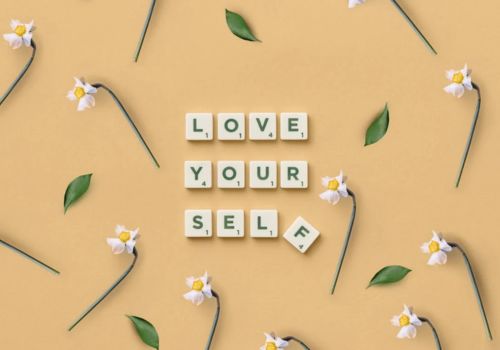
It feels awkward at first, but hearing your own voice be kind to you lands differently than just thinking it.
Dr. Kristin Neff’s research on self-compassion consistently shows that self-kindness reduces anxiety and increases emotional resilience more effectively than self-criticism. Your inner voice matters, and it can be trained.
30. Remind Yourself: “This Feeling Will Pass”
It always does. Every difficult mood, every heavy day, every stretch of time where nothing feels right it passes. You have gotten through every single hard day you’ve ever had so far, which is a 100% track record.
Writing this on a sticky note and putting it somewhere visible is something I’ve done many times.
It sounds simple, but on dark days, a simple reminder can be everything.
31. Write Down 3 Things You’re Grateful For
Keep it small and specific a warm drink, a comfortable bed, someone who made you smile this week.
Gratitude practice works not because it denies difficulty but because it trains your brain to notice the good that exists alongside it.
Studies published in the Journal of Positive Psychology found that people who practised regular gratitude showed significantly greater wellbeing and lower depression scores over time. Three lines in a notebook is genuinely enough.
32. Let Yourself Feel Whatever You’re Feeling
Stop trying to talk yourself out of it, justify it, or make it make sense. Sometimes feelings don’t have a neat reason, and they don’t need one they just need space to exist without being judged or suppressed.
I spent years trying to “logic” my way out of difficult emotions. It never worked. What actually helps is just letting them be there, without adding the extra suffering of criticising myself for having them.
33. Take a Break From Expectations Today
Tell yourself clearly: today I am not required to be at my best.
Today I am allowed to simply get through it, to do less, to need more.
Releasing the pressure of expectations even just for one day creates a kind of mental breathing room that makes everything feel immediately more bearable.
🌙 Let Go of Pressure
A lot of “off” days are made significantly worse by the pressure we put on ourselves to not have them. These ideas are about releasing that pressure.
34. Postpone Non-Urgent Tasks
Look at your list and honestly identify what genuinely does not need to happen today then move it, without guilt.
Most things that feel urgent are not actually urgent, and protecting your remaining energy is always worth more than ticking an extra box.
I give myself permission to do this on hard days without making it mean anything about me. It’s just energy management, not failure.
35. Accept That Today Might Be a Low-Energy Day
Stop fighting it. Accept that today is what it is a low-energy day and work with that reality rather than against it.
You will get more done, feel better, and recover faster if you stop trying to force high performance from a depleted state.
Low-energy days are not character flaws. They are just days, and they are allowed to happen.
36. Stop Comparing Yourself to Others
Your feed is full of highlights, not reality. The person who looks like they have everything together is having their own off days you just don’t see them.
Social comparison theory, developed by psychologist Leon Festinger, shows we naturally compare ourselves upward meaning we almost always compare ourselves to people who appear to be doing better, which consistently makes us feel worse.
Your journey is yours. The only fair comparison is you versus who you were last month.
37. Unfollow or Mute Anything That Drains You
If certain accounts, group chats, or content leave you feeling worse about yourself or your life, this is a perfectly valid moment to mute or unfollow them.
Protecting your mental environment is not petty or oversensitive it is necessary self-care.
I do regular “energy audits” of who I follow and what I consume online. It always makes an immediate and noticeable difference to how I feel after being on my phone.
38. Lower Your Expectations for Today
Decide right now that today you will do less and need more, and that is perfectly fine. Lower your bar not out of giving up, but out of genuine care for yourself on a day when your resources are limited.
A day where you rested well and were kind to yourself is a successful day, regardless of what it looked like from the outside.
✨ Tiny Things That Can Shift Your Mood
These last two are the simplest on the whole list and sometimes the most powerful.
39. Do One Small Thing That Feels Good
Just one not a productive thing necessarily, but something that genuinely feels good to you in this moment.
Make something, step outside, read a page, eat something delicious, call someone you love.
One small good thing, when everything feels off, is worth far more than you’d think. It proves to your brain that good things are still available, even today.
40. Remind Yourself: “I’m Allowed to Take This Slow”
Say it to yourself, write it down, put it on your phone screen. You are allowed to move slowly, to need time, to not be okay immediately, to take the gentlest possible path through a difficult day.
This is the reminder I return to most often. It doesn’t fix the off feeling but it makes it so much easier to carry.
🌸 When Everything Feels Off, It’s Not Always a Crisis
Not every off day means something is wrong with your life. Sometimes it just means you’re mentally tired, you’ve been doing too much, or you haven’t slowed down in a while.
Instead of pushing through it, what you really need is a gentle reset not a transformation, not a new plan, just a little more softness directed at yourself.
🌿 How I Handle These Off Days (Honestly)
When I feel like this, I don’t suddenly become productive and fix everything. I don’t create a perfect plan or get my life together in one afternoon.
I pick one small thing. Sometimes it’s making tea. Sometimes it’s lying down with my eyes closed for ten minutes. Sometimes it’s just sitting quietly and letting myself be off without fighting it.
And slowly, the day gets a little easier to exist in. Because the goal isn’t to fix the day it’s to make it a little more bearable, one small gentle act at a time.
✨ Final Thoughts
Next time you feel that heavy, scattered, unexplainable off feeling don’t fight it, don’t rush to fix it, and don’t overwhelm yourself with solutions. Just ask yourself one simple question:
“What is the smallest thing I can do to feel even 1% better right now?”
Then start there. Because sometimes healing isn’t about big changes it’s about small, gentle moments that slowly bring you back to yourself. 🌙✨
❓ FAQs About Off Days and Feeling Better
Why do I sometimes feel off for no obvious reason?
Feeling off without a clear cause is more common than most people talk about.
It can be caused by a combination of things accumulated stress, disrupted sleep, hormonal fluctuations, not enough sunlight, too much screen time, or simply a nervous system that has been running on high for too long without adequate rest.
The NHS explains that mental wellbeing is affected by many small daily factors, not just major life events. You don’t always need a dramatic reason to feel low sometimes it’s just the quiet accumulation of small things that haven’t been addressed.
Is it normal to have days where nothing feels right?
Completely normal, and very human. Everyone has days sometimes stretches of days where the mood is low and the energy is flat without any single identifiable cause. These periods are part of the natural rhythm of being a person with a mind and a body that responds to the world around it.
The important thing is not to catastrophise them or let them become evidence of a larger narrative about yourself.
Most off days simply pass on their own with a little rest and gentleness.
Should I push through an off day or rest?
It depends on how long the off feeling has been present and how depleted you actually are. For a single off day, gentle low-effort activity a short walk, some light tidying, easy tasks often helps more than either forcing full productivity or doing nothing at all.
But if you’ve been feeling off for a sustained period, rest should take priority over pushing through. Mental health charity Mind emphasises that rest is a legitimate and necessary part of mental health maintenance not a last resort.
How do I tell the difference between a bad day and depression?
A bad day or off period typically passes within a day or two, especially with rest, gentle self-care, and a bit of time.
Depression is characterised by persistent low mood, loss of interest or pleasure, fatigue, and other symptoms lasting two weeks or more, significantly affecting daily functioning.
If you’re regularly having off periods that last longer than a few days, feel unable to experience pleasure in things you used to enjoy, or find that daily tasks feel consistently impossible, it’s worth speaking to your doctor or a mental health professional.
The NHS has a helpful self-assessment guide if you’re unsure what you’re experiencing.
Do these small self-care actions actually work, or are they just distractions?
They genuinely work though they work best when you understand what each one is actually doing.
Drinking water addresses dehydration. A walk outdoors reduces cortisol. Warmth and physical comfort calm the nervous system. Writing things down frees cognitive load.
These are not just distractions they are direct physical and psychological interventions with real, evidence-backed effects.
That said, they work best as responses to ordinary difficult days, not as substitutes for professional support when something more serious is happening. Know the difference, and use both when needed.
What if I try everything on this list and still feel terrible?
If you’ve genuinely rested, been kind to yourself, and given it a couple of days and still feel terrible please don’t try to manage it alone.
Reach out to someone you trust, speak to your doctor, or contact a mental health support line.
The Samaritans are available 24/7 at 116 123 if you need someone to talk to. Self-care and gentle habits are powerful tools, but they are not the only tools and knowing when to ask for more help is one of the most important things you can do for yourself.

I’m Pamila, the voice behind LittleAuraLiving.I write about slow living, emotional wellness, and small habits that make everyday life feel a little lighter.